
Back to main Lawns to Legumes page
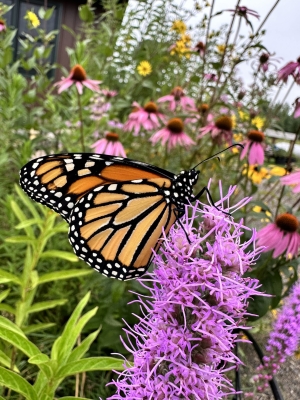
Many people who have contacted BWSR are not looking for funding, but information about how to create pollinator habitat.
- BWSR's Planting for Pollinators Habitat Guide is an in-depth guide intended to help you plan, implement, and maintain your project.
- Blue Thumb's Grantee Guide: A step-by-step walkthrough and resource directory for successfully completing a Lawns to Legumes project
- Blue Thumb's free Resilient Yards Online Learning Series
- Your Yard can BEE the Change: Lawns to Legumes Introductory webinar
- Pollinator Garden Templates: These templates provide base designs for native plant pollinator gardens, including boulevard and shade garden designs. They are customizable with substitutions for each plant.
- BWSR Ecological Gardening Blog posts:
- BWSR's Pollinator and Biodiversity Toolbox
- BWSR's Living Landscapes Initiative
- BWSR's Urban Pollinator Ecological Health Assessment (updated 3.2026)
- BWSR's Rural Pollinator Ecological Health Assessment (update 3.2026)
- US Fish and Wildlife Service: Build a Pollinator Garden in Seven Steps
- Xerces Society information about Pollinator Gardens
- Xerces Society Protecting Pollinators at Home (pdf)
- Xerces Society & U of MN Yards, Gardens and Parks Guide (pdf)
- MN Department of Agriculture: Best Management Practices For Pollinators And Their Habitat
- Xerces Society information about Organic Site Preparation Methods
- Xerces Society guide to Nesting & Overwintering Habitat For Pollinators & Other Beneficial Insects
- Preparing Your Soil with Compost or Mulch
Recommended practices
Lawns to Legumes recommends four project types for creating pollinator habitat:
- Native Pocket Planting (small garden): Pocket plantings are small clusters of native plants that provide food and shelter to pollinators and are recommended for new gardeners. You can install a pocket planting with as little as 10 square feet.
- Beneficial Trees and Shrubs: Beneficial trees and shrubs offer overwintering habitat and food sources. They are recommended for beginner and intermediate gardeners.
- Pollinator Lawn: Also known as bee lawns, this practice involves inter-seeding pollinator-friendly species into existing turf or low-growing native plants. This practice is recommended for experienced gardeners. Additional resources include:
- The Pollinator Friendly Alliance: How To Install A Pollinator Lawn
- Bee Lab (University of Minnesota): Bee Lawn Tool Kit
- Blue Thumb Turf Conversion Information: DIY Bee Lawn
- The Pollinator Friendly Alliance Pollinator Lawn Information
- The Pollinator Friendly Alliance: How To Install A Pollinator Lawn
- Pollinator Meadow: Pollinator Meadows are larger groupings of native plants that provide habitat and water quality benefits. They are recommended for experienced gardeners.
Native plant selection
Resources in this section can help you select native plants for your garden, find native plant nurseries, and combat noxious weeds.
- Native Plant Selection (pdf): BWSR’s guide to high quality pollinator plants to provide blooms throughout the growing season.
- Blue Thumb: Native Plants Nurseries and Retailers List
- Minnesota DNR: Native plant suppliers, landscapers, and restoration consultants for Minnesota.
- Wild Ones: Native Plant Nursery and Landscape Services Listings
- BWSR's monthly Featured Plant newsletter contains and archive with more than 70 species that benefit pollinators.
- Learn to identify harmful weeds with the Minnesota Department of Agriculture’s Noxious Weed List
- The Pollinator Friendly Alliance: Questions to Ask Your Nursery
- Blue Thumb – Planting for Clean Water: Native Plant Lists
- Minnesota DNR: Landscaping with native plants
- U of MN Extension: Flowers for Pollinators
- Xerces Society: Native Plants for Pollinator and Beneficial Insects in the Great Lakes
- MN Zoo: Plant for Pollinators (English)or Plant for Pollinators (Spanish)
Care and Maintenance
Resources in this section help you care for your pollinator planting so it can thrive.
- Care Guide for Lawns to Legumes Plantings (pdf) (doc): BWSR's basic care guide for maintaining new pollinator plantings
- Guide for Pollinator Garden Maintenance from Blue Thumb
Partner Resources
Sample Landscape Permit - Many cities have lawn or vegetation maintenance ordinances that limit the height of vegetation or prohibit "weeds" in general terms. Some cities have established a permit process that allows planting of pollinator, perennial or other natural vegetation on residential lots. BWSR has developed a sample permit for cities that wish to allow such plantings. Note that additional changes to municipal ordinances may be needed to allow pollinator plantings. The city attorney should be consulted when drafting any ordinance amendments.
Examples of Native Landscape Ordinances from Minnesota Cities - Many cities now allow or promote the use of native plants and natural or naturalized residential landscaping. The ordinance excerpts included here show the range of approaches that cities are using, including allowing the practice by right, requiring setbacks, and/or requiring a permit.
Logo Use Policy - This policy provides guidance on the process for using the Lawns to Legumes logo. The logo is pasted below and can be saved from this page, otherwise email mary.juhl@state.mn.us for a higher resolution version. Individuals establishing their own pollinator plantings may print and display the Lawns2Legumes yard sign as shown on the main program page.
Citizen Science
Use the tools below to learn about Minnesota pollinators and assist with data collection that improves our overall knowledge of at-risk species and their habitat needs.
- Bumble Bee Watch is a community science project that helps researchers determine the status and conservation needs of bumblebees. Record sightings, upload photos and learn more about bumble bee ecology.
- Explore Monarch Joint Venture's Community Science Opportunities
Identify plants and animals in your environment using the iNaturalist application.