Top Bar
  • About
  • Careers
  • Contact
  • About
  • Careers
  • Contact
Search Area
    • About BWSR Grants
      • Apply for BWSR Grants
      • Frequently Used Acronyms
      • Grant Information & Resources
      • Grants Quarterly Newsletter
    • Resources for Grantees
      • eLINK
      • Grants Administration Manual
      • Landscape Resiliency & Climate Change
        • Alliance to Advance Climate-Smart Agriculture
        • BWSR Climate Resiliency Toolbox
        • Carbon Sequestration: Conservation Practices and Programs
      • What’s Working for Conservation
      • Vegetation Establishment & Management
        • Native Vegetation and Biodiversity Collaborative
        • Native Vegetation Establishment and Enhancement Guidelines
        • Seed Mixes
        • Native Plant ID and Information
      • Restoring Conservation Lands
      • Overview
      • Programs
      • Easement Forms
      • RIM Handbook & Guidance
      • Existing Easements
      • SWCD Resources
        • Contacts
        • RIM Interactive Map
        • Geospatial Resources
        • Conservation Lands by County
        • Online Learning
        • RIM Rundown
        • Easement Alteration Policy
      • Living Landscapes Initiative
        • Lawns to Legumes: Your Yard Can BEE the Change
        • Pollinator Pathways Grants
        • Habitat Friendly Utilities Program
        • Habitat Enhancement Landscape Program (HELP)
        • Pollinator and Biodiversity Toolbox
          • Community Outreach
        • Managing Invasives for a Resilient Landscape
        • Minnesota Habitat Friendly Solar Program
        • Community Conservation
      • Lawns to Legumes
      • Pollinator Pathways
      • Habitat Friendly Utilities
        • What to Plant in Buffers
      • Minnesota Buffer Law
      • Buffer Establishment & Management Toolbox
      • Guide to the Buffer Compliance Process
        • Step 1: SWCD Compliance Review
        • Step 2: Landowner Notification
        • Step 3: Notice of Non-Compliance
        • Step 4: Corrective Action Notice Sent
        • Step 5: Issuing Enforcement Action
        • Step 6: Parcel is Compliant
      • Implementation Guidance
        • Average Buffer Widths
        • Buffer Measurement for a Public Drainage Ditch
        • Building Better Buffers
        • Compliance Determinations
        • Conservation Reserve Program Exemption Guidance
        • Determining Normal Water Level
        • Determining the Top or Crown of a Bank for Land Adjacent to a Public Water
        • Haying and Grazing of Buffers
        • Vegetation Establishment Goals
      • Procedures
        • Procedure 1: Compliance Determinations (Parcel and Bank Approach)
        • Procedure 2: Reporting and Progress Tracking
        • Procedure 3: MS4 Exemption
        • Procedure 4: Alternative Practices
        • Procedure 5: Other Alternative Practices Approved by the Board
        • Procedure 6: Local Water Resources Riparian Protection ("Other Watercourses")
        • Procedure 7: Failure to Implement
        • Procedure 8: Election of Jurisdiction
        • Procedure 9: BWSR's Review of County and Watershed District Buffer Rules, Ordinances and Official Controls
      • Alternative Practices
        • Alternative Practices Introduction
        • Common Alternative Practice #1: Minnesota Agricultural Water Quality Certification Program
        • Common Alternative Practice #2: NRCS Filter Strip Standard: MN 393/391 Practice Standards - Public Waters
        • Common Alternative Practice #3: Grassed Waterway/Cultivated Watercourses - Public Waters
        • Common Alternative Practice #4A: Negative Slopes or Concentrated Inflow - Public Ditches
        • Common Alternative Practice #4B: Glacial Lake Plain Areas - Public Ditches
        • Common Alternative Practice #5: Negative Slopes or Concentrated Inflow - Public Waters
        • Common Alternative Practice #6: Conservation Tillage/Cover Crops With Vegetated Filter Strip - Public Waters
        • Decision Support Tool
      • Election of Jurisdiction
      • Enforcement
      • Compliance Tracking Tool (BuffCAT)
      • Buffer Program Update
      • Contacts
      • Soils & Soil Health
        • Model Soil Loss Ordinance
        • Tillage and Erosion Survey Project
        • Soil Health Practices Grant
      • Daily Erosion Project
      • Working Lands Resources
      • Agricultural Lands
      • Forest Land
      • Peatlands
      • One Watershed, One Plan
        • One Watershed, One Plan Participating Watersheds
        • One Watershed, One Plan Policies
        • One Watershed, One Plan Resources
        • One Watershed, One Plan Videos
      • Metro Watershed Management Plan
        • Metro State Agencies Review Roster
        • Metro Update
      • Watershed District Management Plan (non-metro)
        • Amendments and Extensions
        • Development and Revision
      • Metro County Groundwater Plan
      • SWCD Comprehensive Plans
      • Planning Information
      • Working with State Agencies
        • State Agency Review Roster for County Water Plans and Watershed Management Plans
      • Water Storage & Climate Resilience
      • Groundwater Protection
      • Urban Stormwater Management
      • Prioritize, Target, and Measure Application (PTMApp)
      • Water Quality Tools & Models
      • Drainage in Minnesota
        • Understanding Minnesota Public Drainage Law
        • Other Drainage Resources
      • Minnesota Public Drainage Manual
      • Drainage Work Group
      • Drainage Management Team
      • Drainage Records Modernization
      • Chapter 103E Ditch Buffer Strip Reporting
      • Multipurpose Drainage Management
      • Wetlands Regulation in Minnesota
      • Wetland Conservation Act (WCA) Contacts
      • Joint Application Form
      • WCA Forms & Templates
      • WCA Program Guidance & Information
        • WCA Topics of the Week
      • WCA Rulemaking
        • WCA Rulemaking Comments Received
      • WCA Program Reports
      • 404 Assumption
      • Wetland Bank Credits and Fees
      • Wetland Bank Transaction Forms
      • Wetland Bank Guidance and Information
      • Local Government Road Wetland Replacement Program
      • Agricultural Wetland Bank
      • In-Lieu Fee Mitigation Program
      • Wetland Bank & Mitigation Easements
      • Wetland Delineation
      • Wetland Functional Assessment
      • MN Wetland Restoration Guide
      • Minnesota Stream Quantification Tool and Debit Calculator
      • Minnesota Wetland Professional Certification Program Information
      • Wetland Training Schedule and Registration
        • MWPCP Class Portal
      • Wetland Training Resources
      • Online Learning Library & Archive
      • Training Calendar
      • Technical Training and Certification Program
        • Area Technical Training Teams
        • Conservation Planning
        • Core Competency
        • Job Approval Authority
        • Technical Training Individual Development Plan (IDP) Tool
        • Technical Training Resources
      • MN Wetland Professional Certification Program Information
      • BWSR Academy
        • 2026 BWSR Academy
        • 2025 BWSR Academy
        • 2024 BWSR Academy
      • BWSR Spring Training
      • Training Updates
      • Successful Outreach Strategies
      • Performance Review and Assistance Program (PRAP) Grants
        • PRAP Grants
        • Conservation Project Planning and Promotion
          • Inspections
        • Invasive Species Control
        • Native Vegetation
        • Pollinator Habitat
        • Prairie, Savanna, Forest and Agricultural Projects
        • Stormwater, Shoreline and Wetland Projects
      • Standard Reviews & Checklists
        • FY25 Conservation Reserve Program State Incentives Grant Program
      • PRAP Legislative Reports
    • About BWSR
      • What We Do
      • Board
      • BWSR Executive Leadership
      • Staff
      • Strategic Plan
        • Engagement Process
      • Diversity, Equity and Inclusion
      • Affirmative Action Plan
      • Legislative Resources
      • Careers
      • Contact Us
    • About Our Partners
      • Soil and Water Conservation Districts
      • Watershed Districts
      • Watershed Management Organizations
      • Counties
      • Cities and Townships
      • Regional Partnerships
    • News & Publications
      • Subscribe
      • News Releases
      • BWSR Story Library
      • Conservation Stories
      • BWSR Snapshots
        • Snapshots Archive
      • Featured Plant
        • Featured Plant Archive
      • Reports

Search

  1. Home
  2. Search

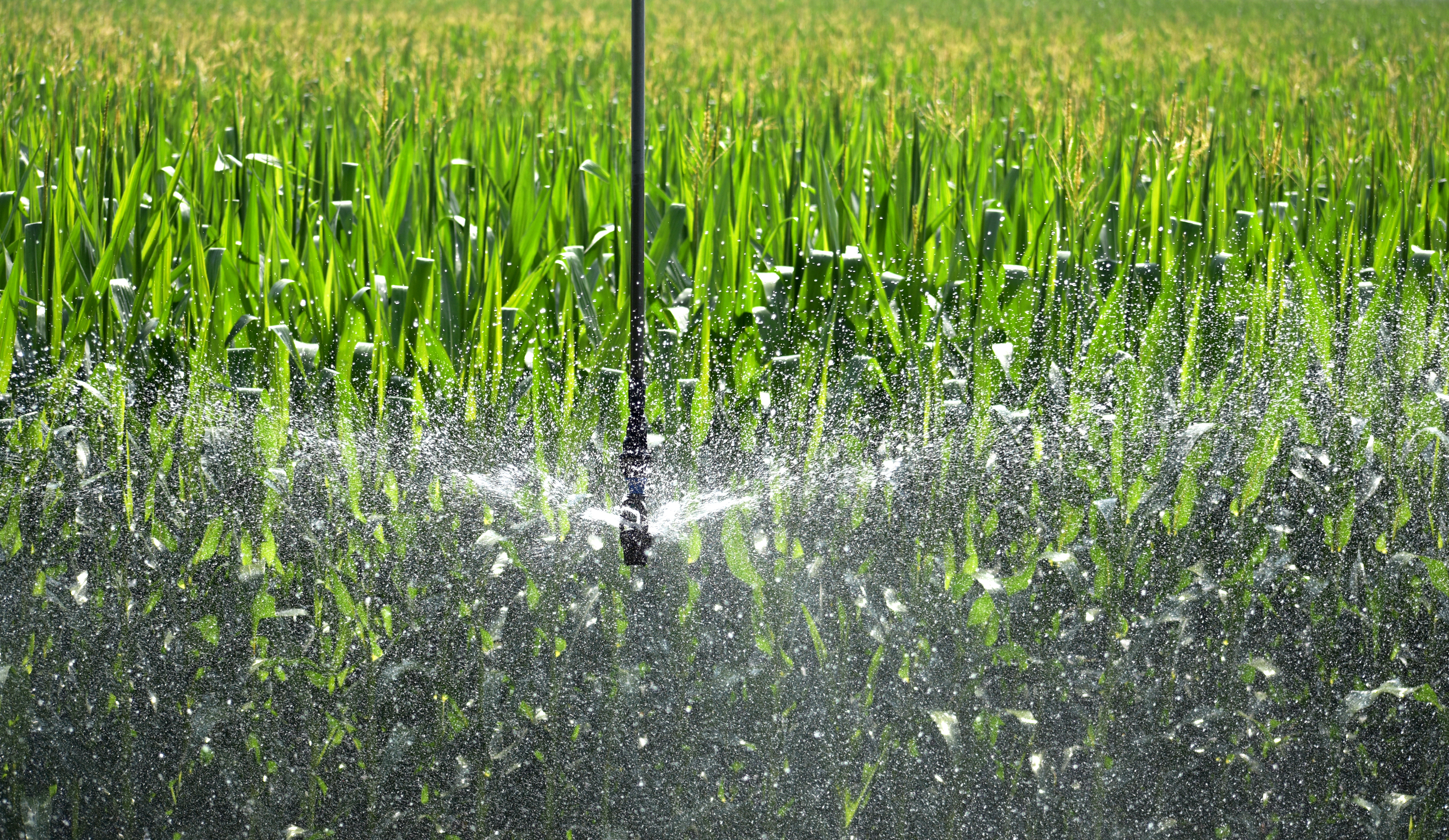
Groundwater protection is one goal of NRCS, partners' $17M irrigation support

Conservation Story Image
irrigator nozzle sprays water in corn field
Conservation Story File
Media File
NRCS MDA Irrigation RCPP 2025.pdf
Conservation Story Text

With technical support and options such as variable-rate irrigation and moisture sensors, central Minnesota producers fine-tuned systems to increase productivity and protect groundwater. NRCS’ second Regional Conservation Partnership Program award extends eligibility from 20 to 25 counties.

Conservation Story Featured
Off

BWSR Awards Clean Water Legacy Partners Grants

Contact: Mary Juhl; (651)-215-9008

ST. PAUL, Minn. —The Minnesota Board of Water and Soil Resources (BWSR) has selected six organizations to receive $1.07 million in Clean Water Funds through the Clean Water Legacy Partners Grant Program. The program seeks to protect, enhance and restore water quality throughout the state. Tribal Governments, nongovernmental organizations and watershed districts were eligible for grant funding.

“This program has helped expand the reach of Minnesota’s Clean Water Fund by offering grants to Tribal Governments and nongovernmental organizations,” said BWSR Executive Director John Jaschke. “We hope this latest round of funding will help fill gaps in Minnesota’s conservation delivery system and support water quality improvement efforts in communities across the state.”

Awarded applicants:

  • Fond du Lac Band of Lake Superior Chippewa
  • Leech Lake Band of Ojibwe (2 awards)
  • Lower Phalen Creek
  • Red Lake Nation
  • Upper Red Lake Area Association
  • Upper Sioux Community

Twenty-three organizations applied during a Request for Proposals (RFP) that opened May 5 and closed Aug. 5. BWSR is planning to open another RFP early next year.

About the Minnesota Clean Water Fund: Minnesota voters approved the Clean Water, Land and Legacy Amendment in 2008 in part to protect, enhance, and restore habitat, lakes, rivers, streams, and groundwater. The Clean Water Fund receives 33% of the sales tax revenue generated by the Legacy Amendment. More information about the Clean Water Fund is available here.

Jason Weinerman

Business Number
218-330-2527
First Name
Jason
Last Name
Weinerman
Email
jason.weinerman@state.mn.us
Division
Central Region
Job Title
Board Conservationist
Business Street
110 Second St S Ste 307
Business City
St. Cloud
Business State
Minnesota
Business Zip
56387-1314

Tech Talk: Forest In Field Soil Health Assessment Tool

The Forestland In Field Soil Health Assessment (FIFSHA) was developed to assist conservation planners with evaluating the health of private nonindustrial forestland soils. During this session Tom Sauer, ACES Forester (NRCS), introduces assessments of the eight indicators of forest soil health:

  • Soil Cover
  • Woody Debris
  • Soil Burn Severity
  • Soil Disturbance Intensity
  • Soil Structure
  • Water Stable Aggregates
  • Soil Fauna/Biology Diversity
  • Roots

Soil health is maintained or achieved in forestlands through application of four principles: 1) optimize presence of living roots, 2) optimize disturbance, 3) optimize soil cover, and 4) optimize biodiversity. The FIFSHA is designed to determine whether a site has any of the four soil health resource concerns: Aggregate Instability, Compaction, Soil Organism Habitat Loss or Degradation, and Soil Organic Matter Depletion.

Skill
Soil Health and Management
Format
Webinar
Source

TTCP

Time
50 minutes
Training Type
Online Learning
Related Practices & Terms

Soil Health, Forestry, Forest

Online Location
Tech Talk: September 15, 2025

In the field: IDEC cohort samples conservation careers

PDF
Media File
snapshots-story-1-october-2025-idec_week.pdf
County
Dakota
Hennepin
Major Watershed Basin
Lower Mississippi River Basin
Story Date
Wed, 10/01/2025 - 12:00
Funding Sources
Clean Water Fund
Environment and Natural Resources Trust
Publication Type
Snapshot
Show this story in the slideshow
Off

NRCS, host of partners back $17M for irrigation upgrades

PDF
Media File
snapshots_story_xx_october_2025_nrcs_irrigation_rcpp_second_award_2.pdf
County
Otter Tail
Major Watershed Basin
Red River of the North Basin
Story Date
Wed, 10/01/2025 - 12:00
Funding Sources
Clean Water Fund
Publication Type
Snapshot
Show this story in the slideshow
Off

BWSR Board tour highlights habitat work, water storage

PDF
Media File
snapshots-story-3-october-2025-bwsr_board_tour.pdf
County
Redwood
Renville
Major Watershed Basin
Lower Mississippi River Basin
Minnesota River Basin
Story Date
Wed, 10/01/2025 - 12:00
Funding Sources
Clean Water Fund
Publication Type
Snapshot
Show this story in the slideshow
Off

Webinar 3: Wetlands Ecology for Planners - How Wetlands Function

This is the third webinar, delivered in 5 segments, in NAWM and NRCS’s jointly-developed nine-part wetland training webinar series. The first half of the webinar focused on explaining general wetland ecology concepts, including succession, thresholds, disturbance, sensitivity and resilience. The second half of the webinar identified how source waters (surface and groundwater) and soils define the character of a wetland, including an introduction to the Hydrogeomorphic Wetland Classification System (HGM). Participants will come away from the webinar with an increased understanding of how to consider these key concepts as they plan conservation and management activities that include wetlands.

  • Part 3.0: Welcome: Brenda Zollitsch, Policy Analyst, Association of State Wetland Managers Time: 6:00
  • Part 3.1 Introduction: Stacey Clark, USDA Natural Resources Conservation Service  Time: 44:33
  • Part 3.2: Presenter: Kendra Moseley, USDA Natural Resources Conservation Service  Time: 35:47
  • Part 3.3: Presenter: Kendra Moseley, USDA Natural Resources Conservation Service  Time: 23:20
  • Part 3.4: Summary: Stacey Clark, USDA Natural Resources Conservation Service  Time: 6:10
Subject TTCP
Basic Tech Skills (Matrix)
Skill
Wetland ID & Ecology Basics
Source

NAWM, NRCS

Time
116 minutes
Training Type
Online Learning
Location

United States

Notes

Recorded November, 2018

Online Location
Webinar 3: Wetlands Ecology for Planners - How Wetlands Function

Core competency trainings offer flexible learning options for conservation pros

PDF
Media File
snapshots-story-4-october-2025-mnc3.pdf
Story Date
Wed, 10/01/2025 - 12:00
Publication Type
Snapshot
Show this story in the slideshow
Off

October 2025 Featured Plant: Large-leaved aster

PDF
Media File
featured_plant_october_2025_large-leaved_aster.pdf
Story Date
Wed, 10/01/2025 - 12:00
Publication Type
Featured Plant
Show this story in the slideshow
Off

Pagination

  • First page « First
  • Previous page ‹ Previous
  • Page 165
  • Page 166
  • Page 167
  • Page 168
  • Current page 169
  • Page 170
  • Page 171
  • Page 172
  • Page 173
  • Next page Next ›
  • Last page Last »

Useful Links

  • BWSR Maps and Apps Gallery
  • Careers
  • eLINK
  • Staff
  • Subscribe
  • Webmaster Email

Connect with Us


Clean water land and legacy amendment program logo

BWSR's work is supported by Clean Water
Land and Legacy Amendment Funding

MN Board of Water and Soil (known as BWSR) logo

BWSR agency programs that assist landowners and local government have resulted in less sediment and nutrients entering our lakes, rivers, and streams; more fish and wildlife habitat; and the drastic slowing of wetland losses.

The Board of Water and Soil Resources is an equal opportunity employer.

Main Address:
520 Lafayette Road North
St Paul, MN. 55155
Phone: 651-296-3767
TTY: 800-627-3529
Email: info.BWSR@state.mn.us

BWSR Office Locations


© Copyright 2026 Minnesota Board of Water and Soil Resources

Accessibility   |   Affirmative Action Plan   |   Download Adobe Acrobat Reader   |   Sitemap