
Top Bar
  • About
  • Careers
  • Contact
  • About
  • Careers
  • Contact
Search Area
    • About BWSR Grants
      • Apply for BWSR Grants
      • Frequently Used Acronyms
      • Grant Information & Resources
      • Grants Quarterly Newsletter
    • Resources for Grantees
      • eLINK
      • Grants Administration Manual
      • Landscape Resiliency & Climate Change
        • Alliance to Advance Climate-Smart Agriculture
        • BWSR Climate Resiliency Toolbox
        • Carbon Sequestration: Conservation Practices and Programs
      • What’s Working for Conservation
      • Vegetation Establishment & Management
        • Native Vegetation Establishment and Enhancement Guidelines
        • Seed Mixes
        • Native Plant ID and Information
      • Restoring Conservation Lands
      • Overview
      • Programs
      • Easement Forms
      • RIM Handbook & Guidance
      • Existing Easements
      • SWCD Resources
        • Contacts
        • RIM Interactive Map
        • Geospatial Resources
        • Conservation Lands by County
        • RIM Rundown
        • Easement Alteration Policy
      • Living Landscapes Initiative
        • Lawns to Legumes: Your Yard Can BEE the Change
        • Pollinator Pathways Grants
        • Habitat Friendly Utilities Program
        • Lawns to Legumes Partner Resources
        • Habitat Enhancement Landscape Program (HELP)
        • Pollinator and Biodiversity Toolbox
          • Community Outreach
        • Managing Invasives for a Resilient Landscape
        • Minnesota Habitat Friendly Solar Program
        • Community Conservation
      • Lawns to Legumes
      • Pollinator Pathways
      • Habitat Friendly Utilities
        • What to Plant in Buffers
      • Minnesota Buffer Law
      • Buffer Establishment & Management Toolbox
      • Guide to the Buffer Compliance Process
        • Step 1: SWCD Compliance Review
        • Step 2: Landowner Notification
        • Step 3: Notice of Non-Compliance
        • Step 4: Corrective Action Notice Sent
        • Step 5: Issuing Enforcement Action
        • Step 6: Parcel is Compliant
      • Implementation Guidance
        • Average Buffer Widths
        • Buffer Measurement for a Public Drainage Ditch
        • Building Better Buffers
        • Compliance Determinations
        • Conservation Reserve Program Exemption Guidance
        • Determining Normal Water Level
        • Determining the Top or Crown of a Bank for Land Adjacent to a Public Water
        • Haying and Grazing of Buffers
        • Vegetation Establishment Goals
      • Procedures
        • Procedure 1: Compliance Determinations (Parcel and Bank Approach)
        • Procedure 2: Reporting and Progress Tracking
        • Procedure 3: MS4 Exemption
        • Procedure 4: Alternative Practices
        • Procedure 5: Other Alternative Practices Approved by the Board
        • Procedure 6: Local Water Resources Riparian Protection ("Other Watercourses")
        • Procedure 7: Failure to Implement
        • Procedure 8: Election of Jurisdiction
        • Procedure 9: BWSR's Review of County and Watershed District Buffer Rules, Ordinances and Official Controls
      • Alternative Practices
        • Alternative Practices Introduction
        • Common Alternative Practice #1: Minnesota Agricultural Water Quality Certification Program
        • Common Alternative Practice #2: NRCS Filter Strip Standard: MN 393/391 Practice Standards - Public Waters
        • Common Alternative Practice #3: Grassed Waterway/Cultivated Watercourses - Public Waters
        • Common Alternative Practice #4A: Negative Slopes or Concentrated Inflow - Public Ditches
        • Common Alternative Practice #4B: Glacial Lake Plain Areas - Public Ditches
        • Common Alternative Practice #5: Negative Slopes or Concentrated Inflow - Public Waters
        • Common Alternative Practice #6: Conservation Tillage/Cover Crops With Vegetated Filter Strip - Public Waters
        • Decision Support Tool
      • Election of Jurisdiction
      • Enforcement
      • Compliance Tracking Tool (BuffCAT)
      • Buffer Program Update
      • Contacts
      • Soils & Soil Health
        • Model Soil Loss Ordinance
        • Tillage and Erosion Survey Project
        • Soil Health Practices Grant
      • Daily Erosion Project
      • Working Lands Resources
      • Agricultural Lands
      • Forest Land
      • Peatlands
      • One Watershed, One Plan
        • One Watershed, One Plan Participating Watersheds
        • One Watershed, One Plan Policies
        • One Watershed, One Plan Resources
        • One Watershed, One Plan Videos
      • Metro Watershed Management Plan
        • Metro State Agencies Review Roster
        • Metro Update
      • Watershed District Management Plan (non-metro)
        • Amendments and Extensions
        • Development and Revision
      • Metro County Groundwater Plan
      • SWCD Comprehensive Plans
      • Planning Information
      • Working with State Agencies
        • State Agency Review Roster for County Water Plans and Watershed Management Plans
      • Water Storage & Climate Resilience
      • Groundwater Protection
      • Urban Stormwater Management
      • Prioritize, Target, and Measure Application (PTMApp)
      • Water Quality Tools & Models
      • Drainage in Minnesota
        • Understanding Minnesota Public Drainage Law
        • Other Drainage Resources
      • Minnesota Public Drainage Manual
      • Drainage Work Group
      • Drainage Management Team
      • Drainage Records Modernization
      • Chapter 103E Ditch Buffer Strip Reporting
      • Multipurpose Drainage Management
      • Wetlands Regulation in Minnesota
      • Wetland Conservation Act (WCA) Contacts
      • Joint Application Form
      • WCA Forms & Templates
      • WCA Program Guidance & Information
        • WCA Topics of the Week
      • WCA Rulemaking
        • WCA Rulemaking Comments Received
      • WCA Program Reports
      • 404 Assumption
      • Wetland Bank Credits and Fees
      • Wetland Bank Transaction Forms
      • Wetland Bank Guidance and Information
      • Local Government Road Wetland Replacement Program
      • Agricultural Wetland Bank
      • In-Lieu Fee Mitigation Program
      • Wetland Bank & Mitigation Easements
      • Wetland Delineation
      • Wetland Functional Assessment
      • Wetland Restoration
      • Minnesota Stream Quantification Tool and Debit Calculator
      • Minnesota Wetland Professional Certification Program Information
      • Wetland Training Schedule and Registration
        • MWPCP Class Portal
      • Wetland Training Resources
      • Online Learning Library & Archive
      • Training Calendar
      • Technical Training and Certification Program
        • Area Technical Training Teams
        • Conservation Planning
        • Core Competency
        • Job Approval Authority
        • Technical Training Individual Development Plan (IDP) Tool
        • Technical Training Resources
      • MN Wetland Professional Certification Program Information
      • BWSR Academy
        • 2026 BWSR Academy
        • 2025 BWSR Academy
        • 2024 BWSR Academy
      • BWSR Spring Training
      • Training Updates
      • Successful Outreach Strategies
      • Performance Review and Assistance Program (PRAP) Grants
        • PRAP Grants
        • Conservation Project Planning and Promotion
          • Inspections
        • Invasive Species Control
        • Native Vegetation
        • Pollinator Habitat
        • Prairie, Savanna, Forest and Agricultural Projects
        • Stormwater, Shoreline and Wetland Projects
      • Standard Reviews & Checklists
        • Vision for Native Vegetation and Biodiversity
        • FY25 Conservation Reserve Program State Incentives Grant Program
        • MN Wetland Restoration Guide
      • PRAP Legislative Reports
    • About BWSR
      • What We Do
      • Board
      • BWSR Executive Leadership
      • Staff
      • Strategic Plan
        • Engagement Process
      • Diversity, Equity and Inclusion
      • Affirmative Action Plan
      • Legislative Resources
      • Careers
      • Contact Us
    • About Our Partners
      • Soil and Water Conservation Districts
      • Watershed Districts
      • Watershed Management Organizations
      • Counties
      • Cities and Townships
      • Regional Partnerships
    • News & Publications
      • Subscribe
      • News Releases
      • BWSR Story Library
      • Conservation Stories
      • BWSR Snapshots
        • Snapshots Archive
      • Featured Plant
        • Featured Plant Archive
      • Reports

Search

  1. Home
  2. Search

BWSR announces 2020 Outstanding Soil and Water Conservation District Employee

St. Paul, Minn. — Minnesota Board of Water and Soil Resources (BWSR) Executive Director John Jaschke presented the 2020 Outstanding Soil and Water Conservation District Employee award today to Pennington Soil and Water Conservation District Water Plan Coordinator Peter Nelson. The recognition ceremony took place during the December Pennington SWCD virtual board meeting.

“Local conservation staff are the driving force behind successful conservation delivery in Minnesota,” Jaschke said. “Peter demonstrates professional excellence alongside a commitment to collaborative planning efforts that benefit water quality within and beyond his district.”

Nelson joined the district in 2012. Taking on the role of plan coordinator, he was a key player in the successful completion of the Thief River Comprehensive Watershed Management Plan this year, and previously played a key role developing the Red Lake River Comprehensive Watershed Management Plan in 2017. He’s involved in SWCD education events, making classroom visits to promote conservation and playing a major part in annual events like the Northwest Minnesota Water Festival, Pennington SWCD Outdoor Education Day and Envirothon. Nelson administers multiple programs on behalf of Pennington SWCD, secures grant funding and works with landowners to find conservation solutions.

“Peter wears many hats, and wears them well,” said District Manager Bryan Malone. “He doesn’t go about his work looking for accolades, but his efforts make him extremely deserving of them.”

Each year, BWSR celebrates the excellent work accomplished by soil and water conservation district and watershed district staff that advances conservation efforts across the state.
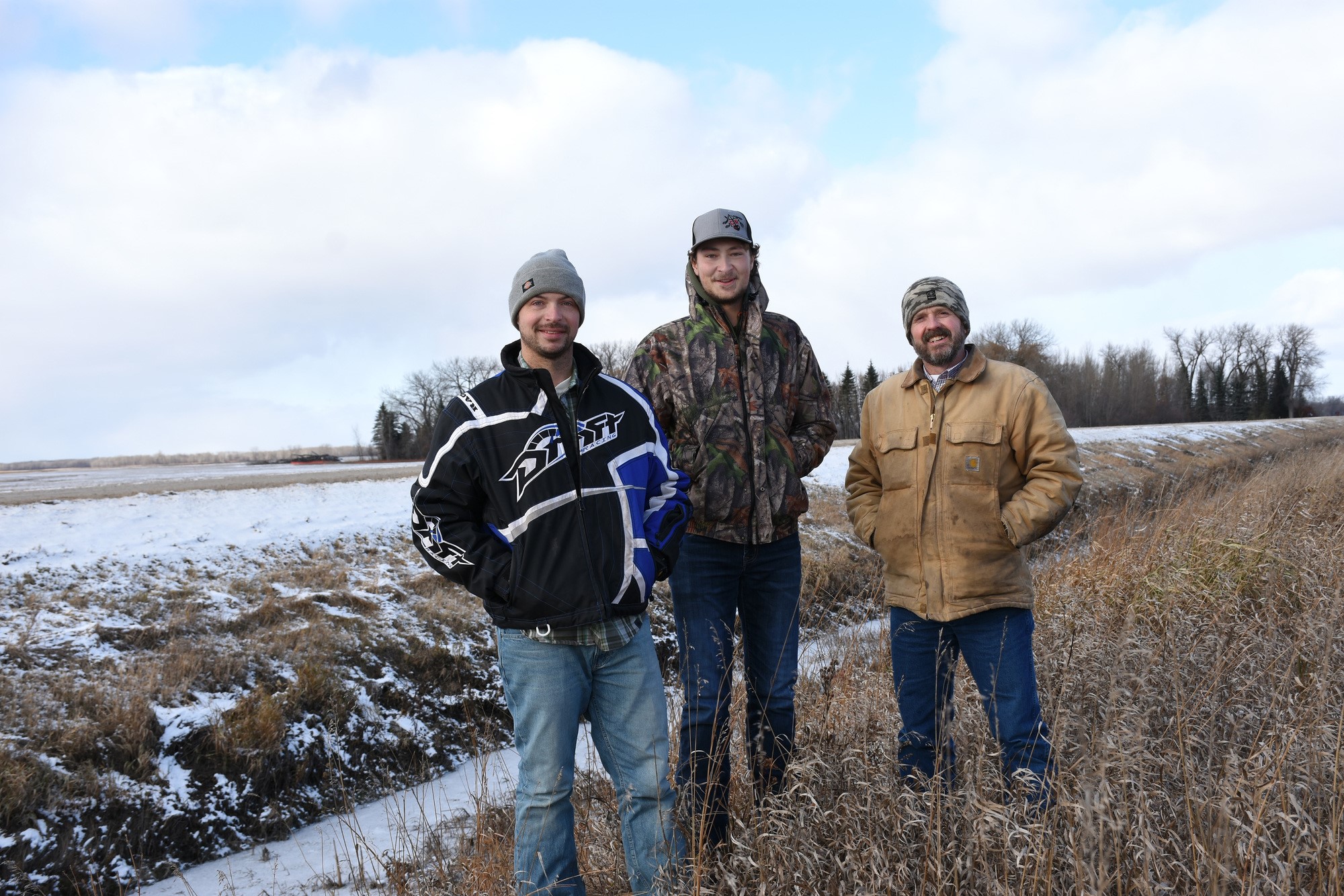
Peter Nelson Pennington SWCD
Pennington Soil & Water Conservation District water plan coordinator Peter Nelson, left, visits the site of side-inlet work on Nov. 6, 2019, with the SWCD’s resource technician Matthew Sorvig, center, and Manager Bryan Malone along a Pennington County ditch system near Thief River Falls. Photo Credit: Ann Wessel, BWSR


BWSR awards $12.3 million in Clean Water Fund grants

St. Paul, Minn. — The Minnesota Board of Water and Soil Resources (BWSR) approved $12.3 million in Clean Water Fund grants at the Dec. 17 board meeting. The grants will be used to improve water quality in lakes, rivers, streams and groundwater across the state. Most of the grant funding is allocated for voluntary conservation projects across Minnesota, including $646,825 for projects that specifically focus on improving and protecting drinking water. Multipurpose drainage management projects will receive $551,159.

“Throughout Minnesota, local government staff and private landowners are collaborating with the state to make meaningful progress toward improving water quality,” said BWSR Executive Director John Jaschke. “These grants are a key component in ongoing efforts to keep our water clean and our lakes, rivers and streams healthy.”

The $12.3 million will fund 37 separate grants that will be awarded to local government entities (soil and water conservation districts, counties, watershed districts, watershed management organizations, and cities). Grant funding will support projects and practices that reduce erosion, protect and restore surface water quality in lakes and streams, and protect ground water. This includes stormwater treatment, shoreline restoration, and treatments that reduce sediment, bacteria, nitrate and phosphorus.

Learn more about the grant recipients:

  • Projects and practices (31 grants)
  • Drinking water projects and practices (3 grants)
  • Multipurpose drainage management (3 grants)

About the Minnesota Clean Water Fund

Minnesota voters approved the Clean Water, Land and Legacy Amendment in 2008 to protect, enhance, and restore wetlands, prairies, forests, and fish, game, and wildlife habitat; to preserve arts and cultural heritage; to support parks and trails; and to protect, enhance, and restore lakes, rivers, streams, and groundwater. The Clean Water Fund receives 33 percent of the sales tax revenue generated by the Legacy Amendment. More information about the Clean Water Fund is available here.

Procedure 8: Election of Jurisdiction

Procedure

To provide orderly administration of statutory responsibilities, the following provisions are necessary for counties and watershed districts electing jurisdiction for enforcement of the Buffer Law:

  • Read more about Procedure 8: Election of Jurisdiction

Tech Talk: 2020 IDP Results

What happens to your Individual Development Plan information once you put it in eLINK? Join the TTCP staff to learn how IDP data is used to determine trainings that will be offered.

Format
Webinar
Source

TTCP

Date
December 23, 2020
Time
45:15
Training Type
Online Learning
Location

United States

Related Practices & Terms

Individual Development Plans, eLink

Online Location
Tech Talk: December 21, 2020

Mike Anderson

Business Number
320-292-5466
First Name
Mike
Last Name
Anderson
Email
mike.g.anderson@state.mn.us
Division
Engineering
Job Title
Engineering Technician

Assurance Measures for Watershed Based Implementation Funding

revised February 2023

Watershed Based Implementation Funding (WBIF) is a major element in Minnesota’s transition to watershed-based local water management. WBIF grants are large, performance-based (per appropriation language), and non-competitive. BWSR will seek funding to make grants available to each partnership with an approved plan every two years.

  • Read more about Assurance Measures for Watershed Based Implementation Funding

January 2021 Featured Plant: Common yarrow

Pagination

  • First page « First
  • Previous page ‹ Previous
  • Page 42
  • Page 43
  • Page 44
  • Page 45
  • Current page 46
  • Page 47
  • Page 48
  • Page 49
  • Page 50
  • Next page Next ›
  • Last page Last »

Useful Links

  • BWSR Maps and Apps Gallery
  • Careers
  • eLINK
  • Staff
  • Subscribe
  • Webmaster Email

Connect with Us


Clean water land and legacy amendment program logo

BWSR's work is supported by Clean Water
Land and Legacy Amendment Funding

MN Board of Water and Soil (known as BWSR) logo

BWSR agency programs that assist landowners and local government have resulted in less sediment and nutrients entering our lakes, rivers, and streams; more fish and wildlife habitat; and the drastic slowing of wetland losses.

The Board of Water and Soil Resources is an equal opportunity employer.

Main Address:
520 Lafayette Road North
St Paul, MN. 55155
Phone: 651-296-3767
TTY: 800-627-3529
Email: info.BWSR@state.mn.us

BWSR Office Locations


© Copyright 2026 Minnesota Board of Water and Soil Resources

Accessibility   |   Affirmative Action Plan   |   Download Adobe Acrobat Reader   |   Sitemap