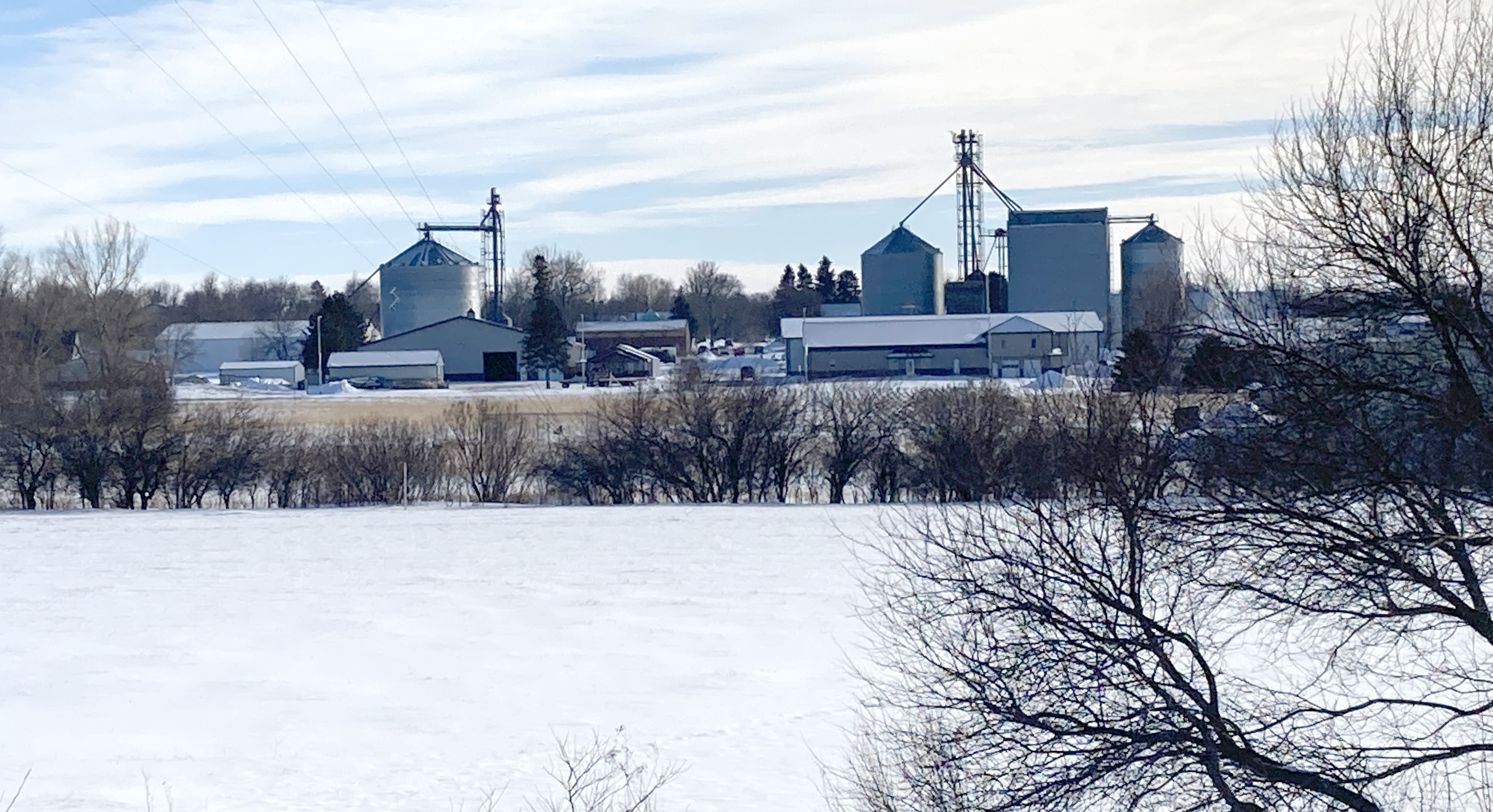
Adrian secures wellhead protection
Clean Water Fund project involving willing landowners, Nobles SWCD, Minnesota Rural Water Association, ensures permanent cover continues to filter nitrates from city drinking water supply
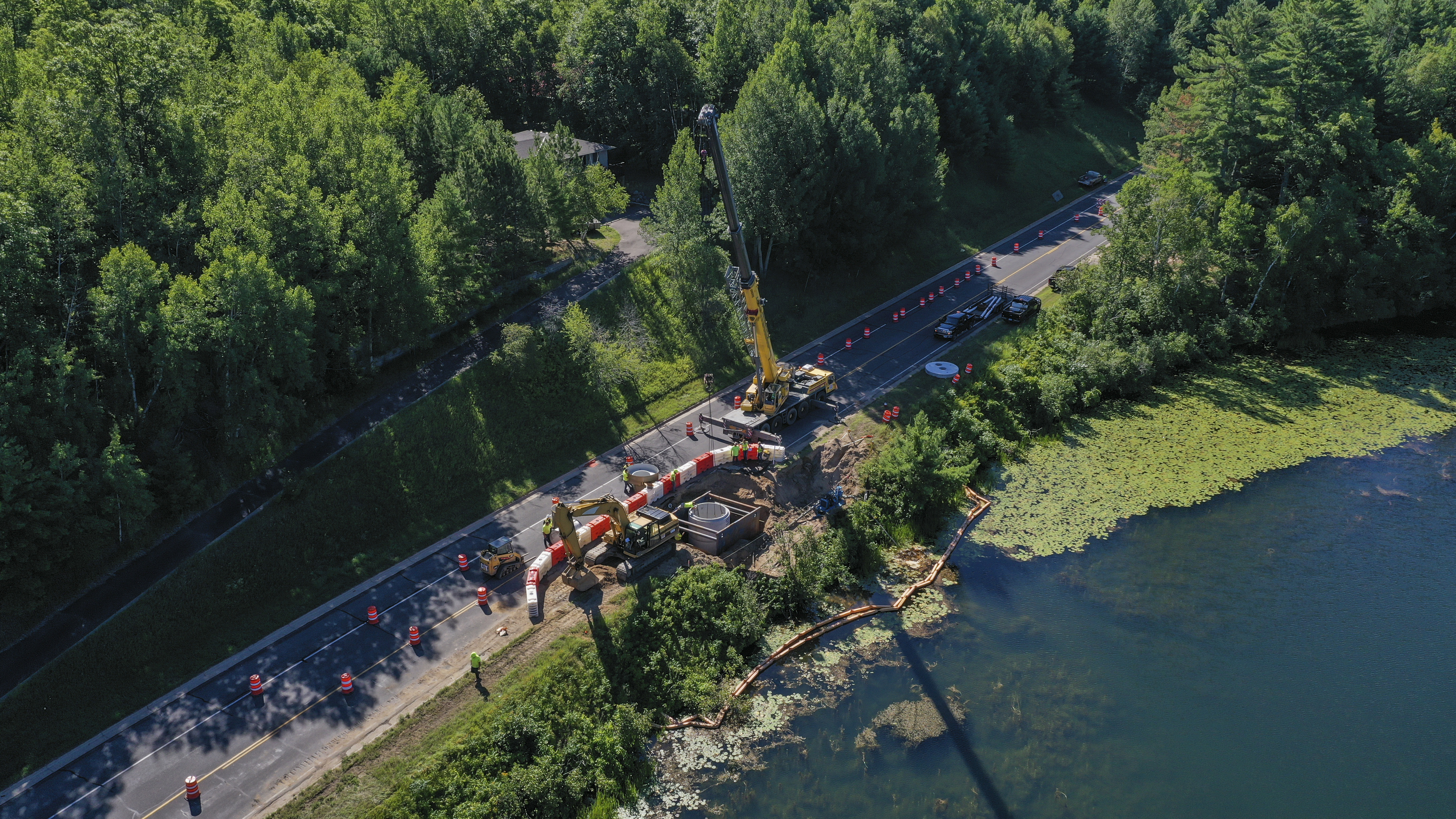
The Clean Water Fund project that protects Big Trout Lake’s cold-water fish habitat by treating pollution-carrying stormwater became a catalyst for similar water-quality work at two more sites along Crow Wing County Road 66.
Minnesota - along with Iowa, Wisconsin, Illinois, Indiana, Michigan and Ohio - uses the Maximum Return to Nitrogen (MRTN) approach to corn N rate guidelines. This Tech Talk covers what MRTN is and why is this system used, along with the pros and cons of this approach to nutrient management. We also discuss how economic data is merged with agronomic research to help producers find the right rate for increasing economic efficiency of every dollar of nitrogen invested into their operation.
TTCP, UMN, UMN Extension
United States
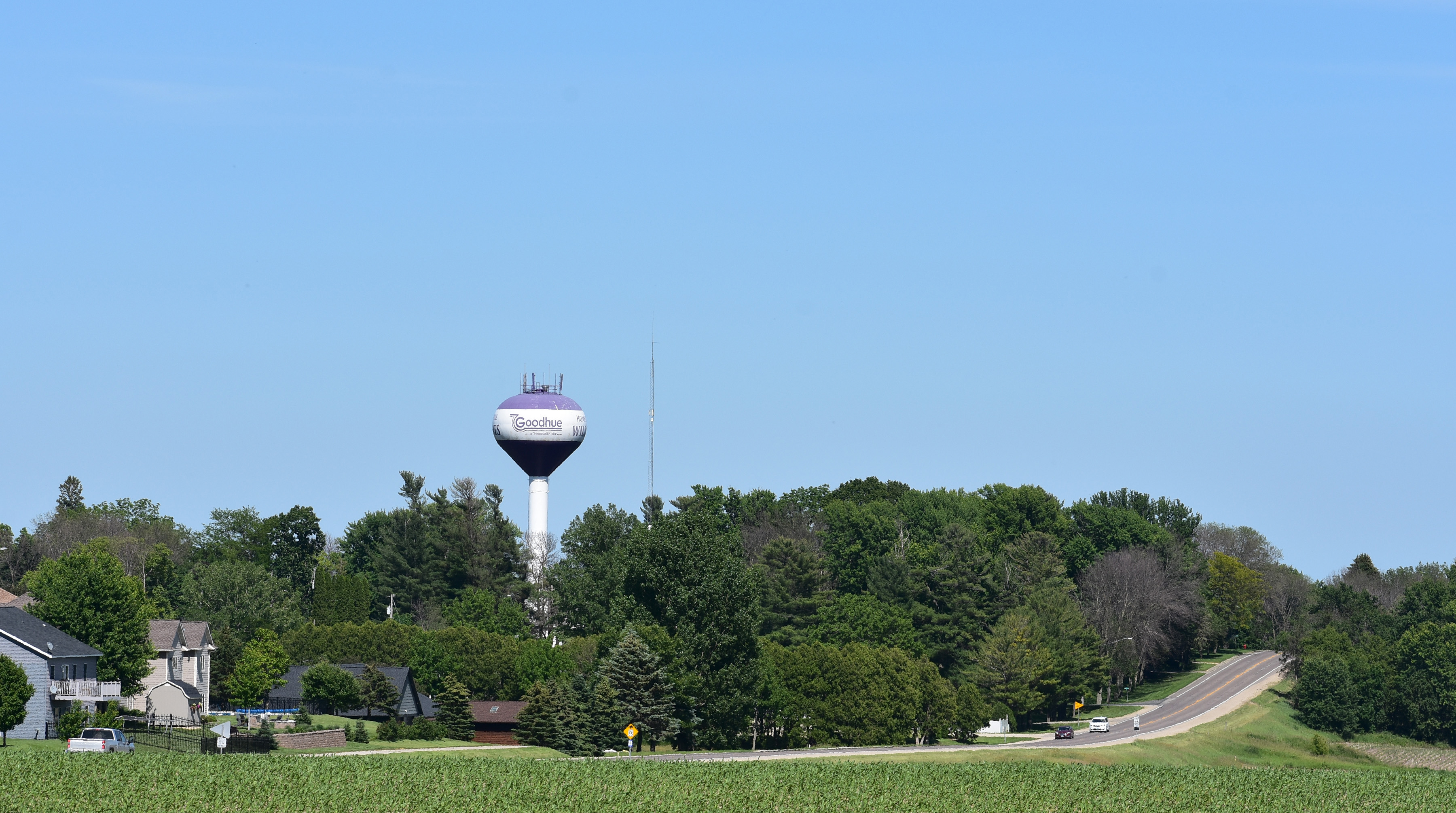
A Clean Water Fund grant supports the Goodhue SWCD’s nitrate-reduction work with landowners in Goodhue’s 2,000-acre Drinking Water Supply Management Area.
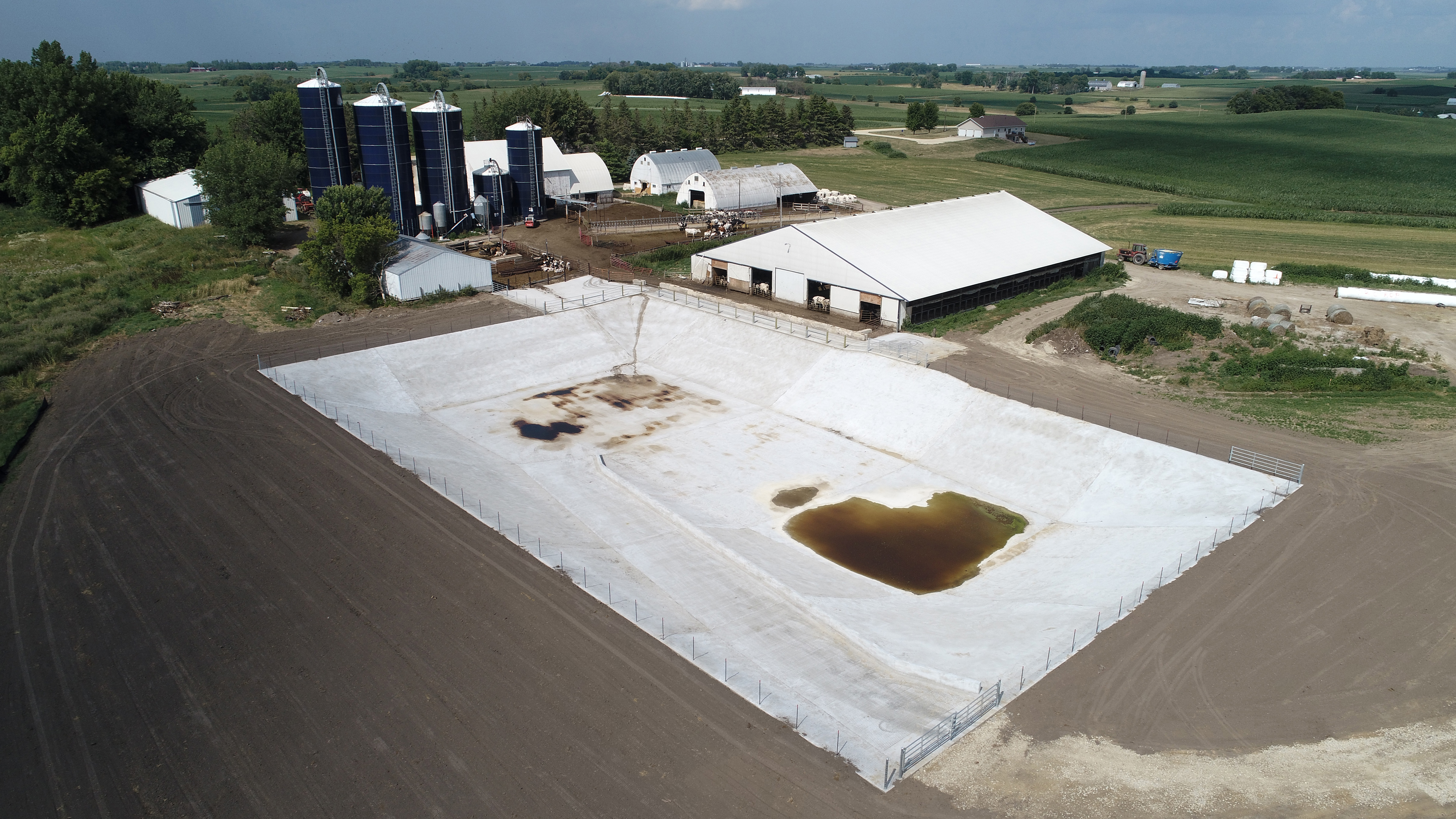
A manure pit with 14 months of storage allows farmers to apply fertilizer when crops need it the most and when field conditions are right. By controlling runoff, the project also benefits surface water quality of the North Fork Zumbro River, a Mississippi River tributary.