Top Bar
  • About
  • Careers
  • Contact
  • About
  • Careers
  • Contact
Search Area
    • About BWSR Grants
      • Apply for BWSR Grants
      • Frequently Used Acronyms
      • Grant Information & Resources
      • Grants Quarterly Newsletter
    • Resources for Grantees
      • eLINK
      • Grants Administration Manual
      • Landscape Resiliency & Climate Change
        • Alliance to Advance Climate-Smart Agriculture
        • BWSR Climate Resiliency Toolbox
        • Carbon Sequestration: Conservation Practices and Programs
      • What’s Working for Conservation
      • Vegetation Establishment & Management
        • Native Vegetation Establishment and Enhancement Guidelines
        • Seed Mixes
        • Native Plant ID and Information
      • Restoring Conservation Lands
      • Overview
      • Programs
      • Easement Forms
      • RIM Handbook & Guidance
      • Existing Easements
      • SWCD Resources
        • Contacts
        • RIM Interactive Map
        • Geospatial Resources
        • Conservation Lands by County
        • RIM Rundown
        • Easement Alteration Policy
      • Living Landscapes Initiative
        • Lawns to Legumes: Your Yard Can BEE the Change
        • Pollinator Pathways Grants
        • Habitat Friendly Utilities Program
        • Lawns to Legumes Partner Resources
        • Habitat Enhancement Landscape Program (HELP)
        • Pollinator and Biodiversity Toolbox
          • Community Outreach
        • Managing Invasives for a Resilient Landscape
        • Minnesota Habitat Friendly Solar Program
        • Community Conservation
      • Lawns to Legumes
      • Pollinator Pathways
      • Habitat Friendly Utilities
        • What to Plant in Buffers
      • Minnesota Buffer Law
      • Buffer Establishment & Management Toolbox
      • Guide to the Buffer Compliance Process
        • Step 1: SWCD Compliance Review
        • Step 2: Landowner Notification
        • Step 3: Notice of Non-Compliance
        • Step 4: Corrective Action Notice Sent
        • Step 5: Issuing Enforcement Action
        • Step 6: Parcel is Compliant
      • Implementation Guidance
        • Average Buffer Widths
        • Buffer Measurement for a Public Drainage Ditch
        • Building Better Buffers
        • Compliance Determinations
        • Conservation Reserve Program Exemption Guidance
        • Determining Normal Water Level
        • Determining the Top or Crown of a Bank for Land Adjacent to a Public Water
        • Haying and Grazing of Buffers
        • Vegetation Establishment Goals
      • Procedures
        • Procedure 1: Compliance Determinations (Parcel and Bank Approach)
        • Procedure 2: Reporting and Progress Tracking
        • Procedure 3: MS4 Exemption
        • Procedure 4: Alternative Practices
        • Procedure 5: Other Alternative Practices Approved by the Board
        • Procedure 6: Local Water Resources Riparian Protection ("Other Watercourses")
        • Procedure 7: Failure to Implement
        • Procedure 8: Election of Jurisdiction
        • Procedure 9: BWSR's Review of County and Watershed District Buffer Rules, Ordinances and Official Controls
      • Alternative Practices
        • Alternative Practices Introduction
        • Common Alternative Practice #1: Minnesota Agricultural Water Quality Certification Program
        • Common Alternative Practice #2: NRCS Filter Strip Standard: MN 393/391 Practice Standards - Public Waters
        • Common Alternative Practice #3: Grassed Waterway/Cultivated Watercourses - Public Waters
        • Common Alternative Practice #4A: Negative Slopes or Concentrated Inflow - Public Ditches
        • Common Alternative Practice #4B: Glacial Lake Plain Areas - Public Ditches
        • Common Alternative Practice #5: Negative Slopes or Concentrated Inflow - Public Waters
        • Common Alternative Practice #6: Conservation Tillage/Cover Crops With Vegetated Filter Strip - Public Waters
        • Decision Support Tool
      • Election of Jurisdiction
      • Enforcement
      • Compliance Tracking Tool (BuffCAT)
      • Buffer Program Update
      • Contacts
      • Soils & Soil Health
        • Model Soil Loss Ordinance
        • Tillage and Erosion Survey Project
        • Soil Health Practices Grant
      • Daily Erosion Project
      • Working Lands Resources
      • Agricultural Lands
      • Forest Land
      • Peatlands
      • One Watershed, One Plan
        • One Watershed, One Plan Participating Watersheds
        • One Watershed, One Plan Policies
        • One Watershed, One Plan Resources
        • One Watershed, One Plan Videos
      • Metro Watershed Management Plan
        • Metro State Agencies Review Roster
        • Metro Update
      • Watershed District Management Plan (non-metro)
        • Amendments and Extensions
        • Development and Revision
      • Metro County Groundwater Plan
      • SWCD Comprehensive Plans
      • Planning Information
      • Working with State Agencies
        • State Agency Review Roster for County Water Plans and Watershed Management Plans
      • Water Storage & Climate Resilience
      • Groundwater Protection
      • Urban Stormwater Management
      • Prioritize, Target, and Measure Application (PTMApp)
      • Water Quality Tools & Models
      • Drainage in Minnesota
        • Understanding Minnesota Public Drainage Law
        • Other Drainage Resources
      • Minnesota Public Drainage Manual
      • Drainage Work Group
      • Drainage Management Team
      • Drainage Records Modernization
      • Chapter 103E Ditch Buffer Strip Reporting
      • Multipurpose Drainage Management
      • Wetlands Regulation in Minnesota
      • Wetland Conservation Act (WCA) Contacts
      • Joint Application Form
      • WCA Forms & Templates
      • WCA Program Guidance & Information
        • WCA Topics of the Week
      • WCA Rulemaking
        • WCA Rulemaking Comments Received
      • WCA Program Reports
      • 404 Assumption
      • Wetland Bank Credits and Fees
      • Wetland Bank Transaction Forms
      • Wetland Bank Guidance and Information
      • Local Government Road Wetland Replacement Program
      • Agricultural Wetland Bank
      • In-Lieu Fee Mitigation Program
      • Wetland Bank & Mitigation Easements
      • Wetland Delineation
      • Wetland Functional Assessment
      • Wetland Restoration
      • Minnesota Stream Quantification Tool and Debit Calculator
      • Minnesota Wetland Professional Certification Program Information
      • Wetland Training Schedule and Registration
        • MWPCP Class Portal
      • Wetland Training Resources
      • Online Learning Library & Archive
      • Training Calendar
      • Technical Training and Certification Program
        • Area Technical Training Teams
        • Conservation Planning
        • Core Competency
        • Job Approval Authority
        • Technical Training Individual Development Plan (IDP) Tool
        • Technical Training Resources
      • MN Wetland Professional Certification Program Information
      • BWSR Academy
        • 2026 BWSR Academy
        • 2025 BWSR Academy
        • 2024 BWSR Academy
      • BWSR Spring Training
      • Training Updates
      • Successful Outreach Strategies
      • Performance Review and Assistance Program (PRAP) Grants
        • PRAP Grants
        • Conservation Project Planning and Promotion
          • Inspections
        • Invasive Species Control
        • Native Vegetation
        • Pollinator Habitat
        • Prairie, Savanna, Forest and Agricultural Projects
        • Stormwater, Shoreline and Wetland Projects
      • Standard Reviews & Checklists
        • Vision for Native Vegetation and Biodiversity
        • FY25 Conservation Reserve Program State Incentives Grant Program
        • MN Wetland Restoration Guide
      • PRAP Legislative Reports
    • About BWSR
      • What We Do
      • Board
      • BWSR Executive Leadership
      • Staff
      • Strategic Plan
        • Engagement Process
      • Diversity, Equity and Inclusion
      • Affirmative Action Plan
      • Legislative Resources
      • Careers
      • Contact Us
    • About Our Partners
      • Soil and Water Conservation Districts
      • Watershed Districts
      • Watershed Management Organizations
      • Counties
      • Cities and Townships
      • Regional Partnerships
    • News & Publications
      • Subscribe
      • News Releases
      • BWSR Story Library
      • Conservation Stories
      • BWSR Snapshots
        • Snapshots Archive
      • Featured Plant
        • Featured Plant Archive
      • Reports

Search

  1. Home
  2. Search

Funding available to Minnesota Soil and Water Conservation Districts for Soil Health Delivery

Contact: Mary Juhl; mary.juhl@state.mn.us, 612-358-5733

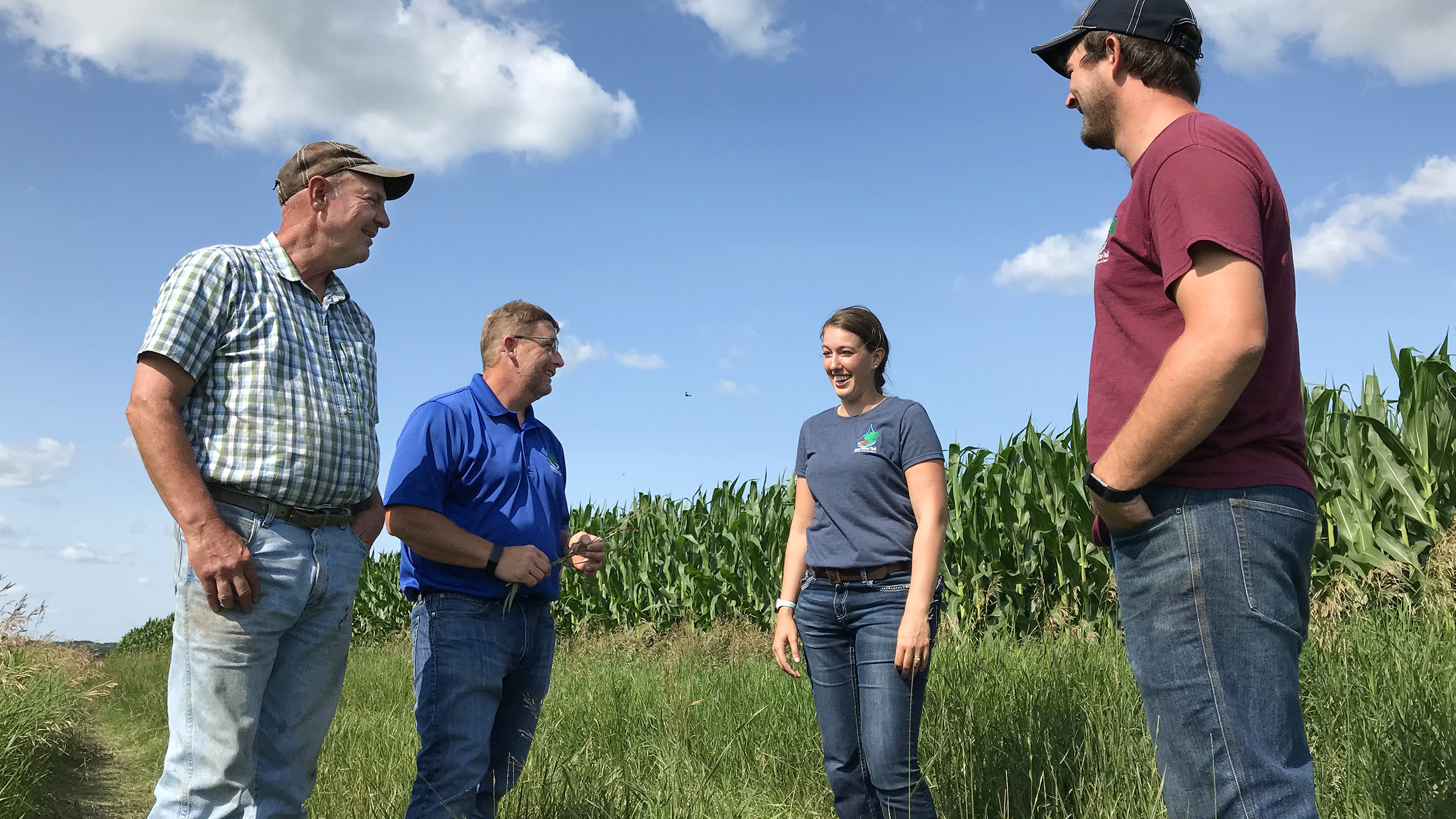
ST. PAUL, Minn. — The Minnesota Board of Water and Soil Resources (BWSR) is preparing to provide each soil and water conservation district (SWCD) in the state with grant funding to support soil health delivery. A total of $6.4 million is available to Minnesota SWCDs.

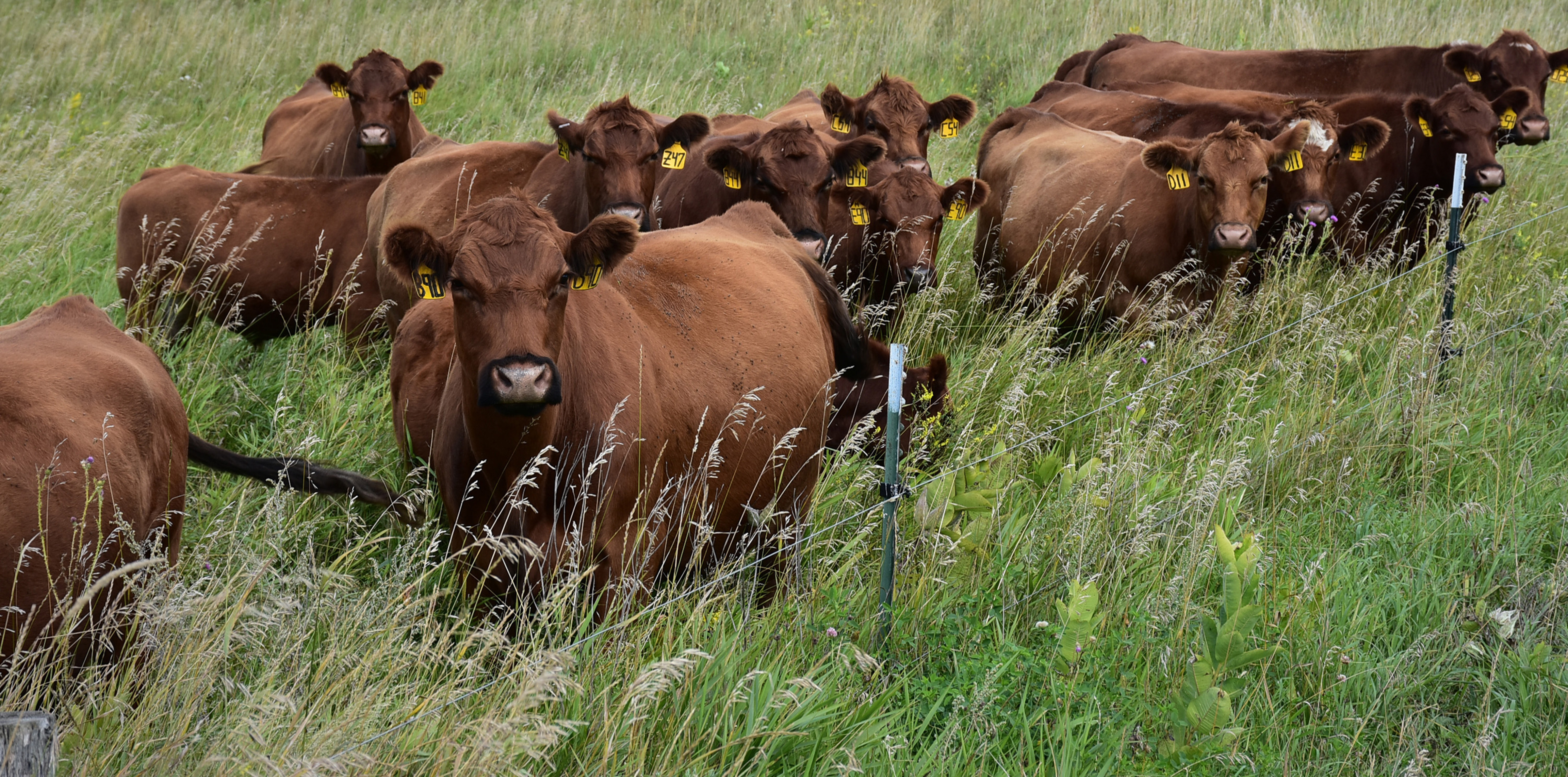
Conservation practices such as no-till farming, planting cover crops and rotational grazing can boost soil health, which can help improve crop productivity and make farms more resilient to erosion and extreme weather events.  

“Supporting Minnesota farmers who choose to adapt their operational systems to incorporate soil health principles is key to seeing systematic, large-scale conservation and productivity benefits over time,” BWSR Executive Director John Jaschke said. “This funding will help make an impact where it matters most — at the local level.”

BWSR is engaging all Minnesota SWCDs in a Request for Interest process that opened today and closes July 2 to help refine funding needs for each district. Funds are intended to support outreach and education efforts related to local soil health initiatives and can also be used to help landowners implement practices that increase soil health. Learn more.

The soil health delivery grants are one piece of BWSR’s long-term approach to supporting soil health programs statewide. In March, BWSR awarded more than $17 million in Soil Health Staffing Grants to 40 SWCDs to increase local expertise related to soil health and provide additional contacts for landowners. Later this summer, BWSR intends to leverage $25 million in Regional Conservation Partnership Program (RCPP) funding awarded to the agency by the USDA’s Natural Resources Conservation Service in November 2023 to offer direct financial support to landowners who implement soil health practices.

Soil health is identified as a priority in the state’s Climate Action Framework.

Tech Talk: Conservation Tree Shrub Groups (CTSGs)

The Conservation Tree-Shrub Groups (CTSGs) are a planning tool that aid in the selection of trees and shrubs for planting based on soil type. During this session Garett Christiansen (Forester, NRCS) and Brandon DeFoe (Soil Scientist, NRCS) will share information about recent updates to this tool and the lists of tree and shrub species recommended for different soil types.

Skill
Practice Specific
Source

TTCP

Time
45 minutes
Training Type
Online Learning
Location

United States

Related Practices & Terms

612, Tree Shrub Establishment, 391, Riparian Forest Buffer

Online Location
Tech Talk: May 20, 2024

BWSR Accepting Applications for Spring 2025 Lawns to Legumes Grants

Contact: Mary Juhl; mary.juhl@state.mn.us, 612-358-5733

ST. PAUL, Minn. — The Minnesota Board of Water and Soil Resources (BWSR) is accepting applications for spring 2025 Lawns to Legumes pollinator habitat grants.

The Lawns to Legumes program aims to increase habitat for at-risk pollinators in residential settings across the state by providing people with reimbursement-based funding, workshops, coaching and gardening resources. Anyone who lives in Minnesota and has a yard, deck, or other outdoor space for planting can apply to be reimbursed for up to $400 in costs associated with establishing new pollinator habitat in their yards. The program is available to both Minnesota homeowners and renters.

“Lawns to Legumes allows Minnesotans to take a hands-on approach to protecting at-risk pollinator populations,” said BWSR Executive Director John Jaschke. “Lawns to Legumes gardeners prove that small-scale habitat projects can have big impacts.”

Applications will be accepted through November 30, 2024. If you previously applied for the program, you will need to reapply to be considered for spring 2025 funding.

More than 5,000 residential habitat projects across all 87 Minnesota counties have been funded since the program launched in 2019. Lawns to Legumes shares online resources such as gardening templates, habitat guides and advice about selecting native plants for all Minnesotans interested in creating pollinator habitat in their yards. Lawns to Legumes receives funding from the Environment and Natural Resources Trust Fund and the state General Fund.

Apply online at Blue Thumb’s website. For more information about Lawns to Legumes, visit BWSR’s website.

Brandon Ellickson

Business Number
507-900-1306
First Name
Brandon
Last Name
Ellickson
Email
brandon.ellickson@state.mn.us
Division
Engineering
Job Title
Engineering Technician
Business Street
424 North Riverfront Drive, Suite 120
Business City
Mankato
Business State
Minnesota
Business Zip
56001

Technical Evaluation Panel

Document Date
Wed, 06/03/2020 - 12:00
Rule Citation
8420.0200 - .0265 LGU Duties, Procedures and the TEP
Subject
Technical Evaluation Panel
Wetland Document
Media File
WCA Topic of Week - Technical Evaluation Panel 6-3-20.pdf
Document Type
Topic of the Week

Pagination

  • First page « First
  • Previous page ‹ Previous
  • Page 143
  • Page 144
  • Page 145
  • Page 146
  • Current page 147
  • Page 148
  • Page 149
  • Page 150
  • Page 151
  • Next page Next ›
  • Last page Last »

Useful Links

  • BWSR Maps and Apps Gallery
  • Careers
  • eLINK
  • Staff
  • Subscribe
  • Webmaster Email

Connect with Us


Clean water land and legacy amendment program logo

BWSR's work is supported by Clean Water
Land and Legacy Amendment Funding

MN Board of Water and Soil (known as BWSR) logo

BWSR agency programs that assist landowners and local government have resulted in less sediment and nutrients entering our lakes, rivers, and streams; more fish and wildlife habitat; and the drastic slowing of wetland losses.

The Board of Water and Soil Resources is an equal opportunity employer.

Main Address:
520 Lafayette Road North
St Paul, MN. 55155
Phone: 651-296-3767
TTY: 800-627-3529
Email: info.BWSR@state.mn.us

BWSR Office Locations


© Copyright 2026 Minnesota Board of Water and Soil Resources

Accessibility   |   Affirmative Action Plan   |   Download Adobe Acrobat Reader   |   Sitemap