Top Bar
  • About
  • Careers
  • Contact
  • About
  • Careers
  • Contact
Search Area
    • About BWSR Grants
      • Apply for BWSR Grants
      • Frequently Used Acronyms
      • Grant Information & Resources
      • Grants Quarterly Newsletter
    • Resources for Grantees
      • eLINK
      • Grants Administration Manual
      • Landscape Resiliency & Climate Change
        • Alliance to Advance Climate-Smart Agriculture
        • BWSR Climate Resiliency Toolbox
        • Carbon Sequestration: Conservation Practices and Programs
      • What’s Working for Conservation
      • Vegetation Establishment & Management
        • Native Vegetation Establishment and Enhancement Guidelines
        • Seed Mixes
        • Native Plant ID and Information
      • Restoring Conservation Lands
      • Overview
      • Programs
      • Easement Forms
      • RIM Handbook & Guidance
      • Existing Easements
      • SWCD Resources
        • Contacts
        • RIM Interactive Map
        • Geospatial Resources
        • Conservation Lands by County
        • RIM Rundown
        • Easement Alteration Policy
      • Living Landscapes Initiative
        • Lawns to Legumes: Your Yard Can BEE the Change
        • Pollinator Pathways Grants
        • Habitat Friendly Utilities Program
        • Lawns to Legumes Partner Resources
        • Habitat Enhancement Landscape Program (HELP)
        • Pollinator and Biodiversity Toolbox
          • Community Outreach
        • Managing Invasives for a Resilient Landscape
        • Minnesota Habitat Friendly Solar Program
        • Community Conservation
      • Lawns to Legumes
      • Pollinator Pathways
      • Habitat Friendly Utilities
        • What to Plant in Buffers
      • Minnesota Buffer Law
      • Buffer Establishment & Management Toolbox
      • Guide to the Buffer Compliance Process
        • Step 1: SWCD Compliance Review
        • Step 2: Landowner Notification
        • Step 3: Notice of Non-Compliance
        • Step 4: Corrective Action Notice Sent
        • Step 5: Issuing Enforcement Action
        • Step 6: Parcel is Compliant
      • Implementation Guidance
        • Average Buffer Widths
        • Buffer Measurement for a Public Drainage Ditch
        • Building Better Buffers
        • Compliance Determinations
        • Conservation Reserve Program Exemption Guidance
        • Determining Normal Water Level
        • Determining the Top or Crown of a Bank for Land Adjacent to a Public Water
        • Haying and Grazing of Buffers
        • Vegetation Establishment Goals
      • Procedures
        • Procedure 1: Compliance Determinations (Parcel and Bank Approach)
        • Procedure 2: Reporting and Progress Tracking
        • Procedure 3: MS4 Exemption
        • Procedure 4: Alternative Practices
        • Procedure 5: Other Alternative Practices Approved by the Board
        • Procedure 6: Local Water Resources Riparian Protection ("Other Watercourses")
        • Procedure 7: Failure to Implement
        • Procedure 8: Election of Jurisdiction
        • Procedure 9: BWSR's Review of County and Watershed District Buffer Rules, Ordinances and Official Controls
      • Alternative Practices
        • Alternative Practices Introduction
        • Common Alternative Practice #1: Minnesota Agricultural Water Quality Certification Program
        • Common Alternative Practice #2: NRCS Filter Strip Standard: MN 393/391 Practice Standards - Public Waters
        • Common Alternative Practice #3: Grassed Waterway/Cultivated Watercourses - Public Waters
        • Common Alternative Practice #4A: Negative Slopes or Concentrated Inflow - Public Ditches
        • Common Alternative Practice #4B: Glacial Lake Plain Areas - Public Ditches
        • Common Alternative Practice #5: Negative Slopes or Concentrated Inflow - Public Waters
        • Common Alternative Practice #6: Conservation Tillage/Cover Crops With Vegetated Filter Strip - Public Waters
        • Decision Support Tool
      • Election of Jurisdiction
      • Enforcement
      • Compliance Tracking Tool (BuffCAT)
      • Buffer Program Update
      • Contacts
      • Soils & Soil Health
        • Model Soil Loss Ordinance
        • Tillage and Erosion Survey Project
        • Soil Health Practices Grant
      • Daily Erosion Project
      • Working Lands Resources
      • Agricultural Lands
      • Forest Land
      • Peatlands
      • One Watershed, One Plan
        • One Watershed, One Plan Participating Watersheds
        • One Watershed, One Plan Policies
        • One Watershed, One Plan Resources
        • One Watershed, One Plan Videos
      • Metro Watershed Management Plan
        • Metro State Agencies Review Roster
        • Metro Update
      • Watershed District Management Plan (non-metro)
        • Amendments and Extensions
        • Development and Revision
      • Metro County Groundwater Plan
      • SWCD Comprehensive Plans
      • Planning Information
      • Working with State Agencies
        • State Agency Review Roster for County Water Plans and Watershed Management Plans
      • Water Storage & Climate Resilience
      • Groundwater Protection
      • Urban Stormwater Management
      • Prioritize, Target, and Measure Application (PTMApp)
      • Water Quality Tools & Models
      • Drainage in Minnesota
        • Understanding Minnesota Public Drainage Law
        • Other Drainage Resources
      • Minnesota Public Drainage Manual
      • Drainage Work Group
      • Drainage Management Team
      • Drainage Records Modernization
      • Chapter 103E Ditch Buffer Strip Reporting
      • Multipurpose Drainage Management
      • Wetlands Regulation in Minnesota
      • Wetland Conservation Act (WCA) Contacts
      • Joint Application Form
      • WCA Forms & Templates
      • WCA Program Guidance & Information
        • WCA Topics of the Week
      • WCA Rulemaking
        • WCA Rulemaking Comments Received
      • WCA Program Reports
      • 404 Assumption
      • Wetland Bank Credits and Fees
      • Wetland Bank Transaction Forms
      • Wetland Bank Guidance and Information
      • Local Government Road Wetland Replacement Program
      • Agricultural Wetland Bank
      • In-Lieu Fee Mitigation Program
      • Wetland Bank & Mitigation Easements
      • Wetland Delineation
      • Wetland Functional Assessment
      • Wetland Restoration
      • Minnesota Stream Quantification Tool and Debit Calculator
      • Minnesota Wetland Professional Certification Program Information
      • Wetland Training Schedule and Registration
        • MWPCP Class Portal
      • Wetland Training Resources
      • Online Learning Library & Archive
      • Training Calendar
      • Technical Training and Certification Program
        • Area Technical Training Teams
        • Conservation Planning
        • Core Competency
        • Job Approval Authority
        • Technical Training Individual Development Plan (IDP) Tool
        • Technical Training Resources
      • MN Wetland Professional Certification Program Information
      • BWSR Academy
        • 2026 BWSR Academy
        • 2025 BWSR Academy
        • 2024 BWSR Academy
      • BWSR Spring Training
      • Training Updates
      • Successful Outreach Strategies
      • Performance Review and Assistance Program (PRAP) Grants
        • PRAP Grants
        • Conservation Project Planning and Promotion
          • Inspections
        • Invasive Species Control
        • Native Vegetation
        • Pollinator Habitat
        • Prairie, Savanna, Forest and Agricultural Projects
        • Stormwater, Shoreline and Wetland Projects
      • Standard Reviews & Checklists
        • Vision for Native Vegetation and Biodiversity
        • FY25 Conservation Reserve Program State Incentives Grant Program
        • MN Wetland Restoration Guide
      • PRAP Legislative Reports
    • About BWSR
      • What We Do
      • Board
      • BWSR Executive Leadership
      • Staff
      • Strategic Plan
        • Engagement Process
      • Diversity, Equity and Inclusion
      • Affirmative Action Plan
      • Legislative Resources
      • Careers
      • Contact Us
    • About Our Partners
      • Soil and Water Conservation Districts
      • Watershed Districts
      • Watershed Management Organizations
      • Counties
      • Cities and Townships
      • Regional Partnerships
    • News & Publications
      • Subscribe
      • News Releases
      • BWSR Story Library
      • Conservation Stories
      • BWSR Snapshots
        • Snapshots Archive
      • Featured Plant
        • Featured Plant Archive
      • Reports

Search

  1. Home
  2. Search

Red Lake River bank stabilizations protect water quality, infrastructure

Conservation Story Image
Pennington SWCD staff stand in front of the Greenwood Street bridge, which spans the Red Lake River in Thief River Falls.
Conservation Story File
Media File
Pennington CWF Red Lake River 2021.pdf
Conservation Story Text

Pennington SWCD is working with Thief River Falls to stabilize three prioritized sites where erosion is contributing to a downstream water quality impairment. One site is encroaching upon city wastewater treatment infrastructure.

Conservation Story Featured
Off

Rock County easements target nitrate reduction

Conservation Story Image
pipegras easement landscape
Conservation Story File
Media File
Rock County wellhead protection 2020.pdf
Conservation Story Text

Native grasses replacing row crops have shown the most dramatic results in efforts by Rock SWCD, Rock County, Rock County Rural Water, BWSR, state departments of health and agriculture working with landowners.

Conservation Story Featured
Off

Douglas County dairy transition taps NRCS, Clean Water Funds

Conservation Story Image
portrait of dairy farm owners
Conservation Story File
Media File
DouglasSWCD NRCS WCPI 2020.pdf
Conservation Story Text

A first-generation farmer with a passion for cows gets a start, and a longtime producer finds a way to pass on his farm. Assistance from the USDA's Natural Resources Conservation Service and Clean Water funds from BWSR play a role in the gradual transition that will result in a more efficient and environmentally sound setup.

Conservation Story Featured
Off

Kittson County livestock producers find success with NRCS grazing plans

Conservation Story Image
Mark Larson checks on a herd of rotationally grazed cattle
Conservation Story File
Media File
NRCS Kittson County grazing 2020_2.pdf
Conservation Story Text

All 40-some plans implemented with EQIP assistance over the years remain in operation. With reliable water supplies installed, farmers see faster weight gain in calves and higher-quality forage in paddocks.

Conservation Story Featured
Off

Pennington County ditch fixes stabilize banks, stanch erosion

Conservation Story Image
A metal pipe extends from a ditch bank to a ditch with open water. Construction equipment sits at the edge of a field.
Conservation Story File
Media File
Pennington CWF ditches 2021.pdf
Conservation Story Text

Landowners work with county engineer, Pennington SWCD on sediment reduction in Red Lake River watershed. Side-water inlets stop erosion where field outlets drain into county ditches. Clean Water Funds make the projects possible.

Conservation Story Featured
Off

Adrian secures wellhead protection

Conservation Story Image
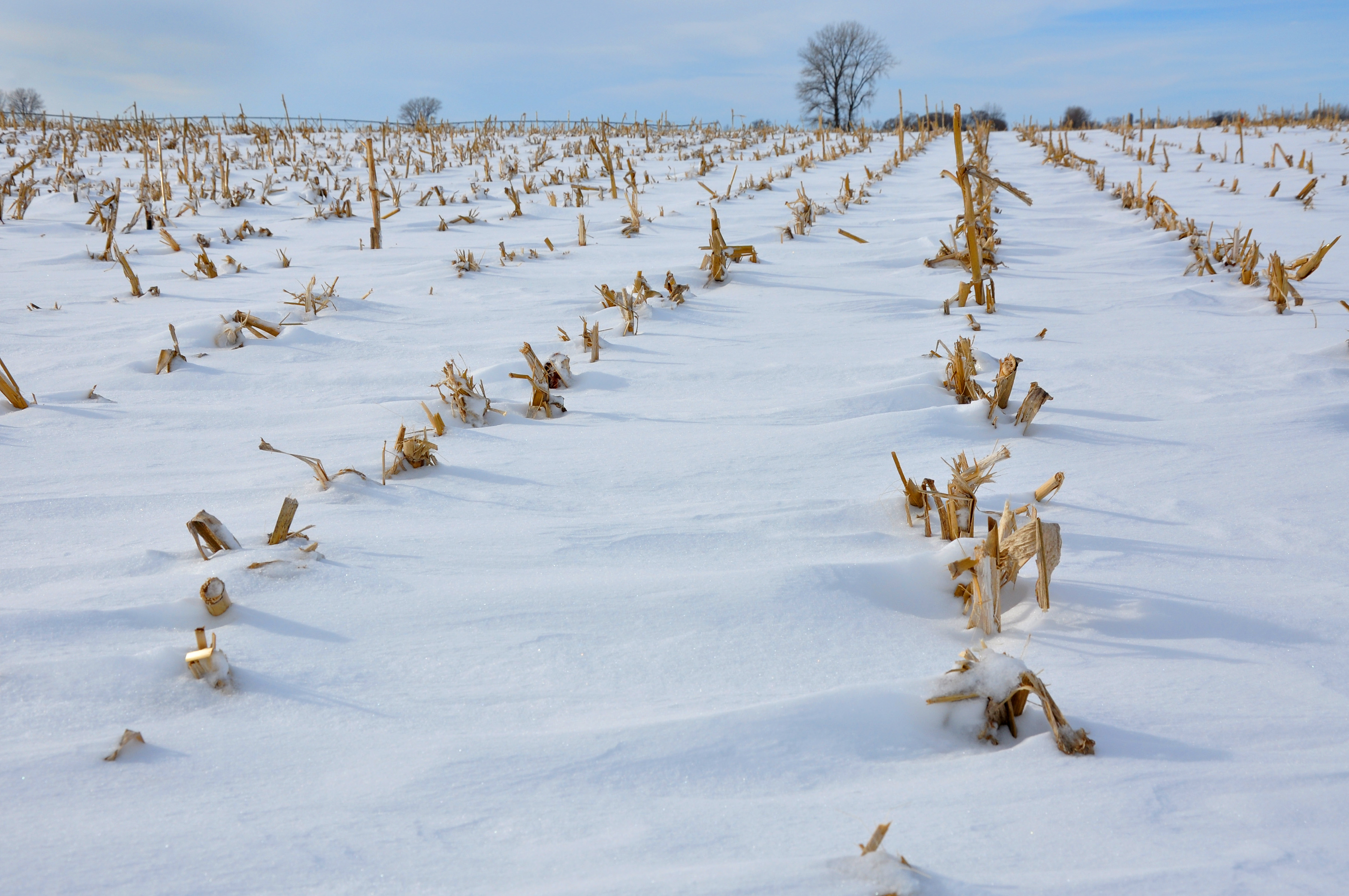
Snow covers a wellhead protection area. Adrian skyline is in the background.
Conservation Story File
Media File
Nobles SWCD Adrian City wellhead.pdf
Conservation Story Text

Clean Water Fund project involving willing landowners, Nobles SWCD, Minnesota Rural Water Association, ensures permanent cover continues to filter nitrates from city drinking water supply

Conservation Story Featured
Off

Crow Wing SWCD's lake protection work leads to Crosslake projects

Conservation Story Image
Aerial view of Island Loon Lake stormwater retrofit work
Conservation Story File
Media File
Crow Wing SWCD lake protection 2021_0.pdf
Conservation Story Text

The Clean Water Fund project that protects Big Trout Lake’s cold-water fish habitat by treating pollution-carrying stormwater became a catalyst for similar water-quality work at two more sites along Crow Wing County Road 66.

Conservation Story Featured
Off

Tech Talk: Maximum Return To Nitrogen

Minnesota - along with Iowa, Wisconsin, Illinois, Indiana, Michigan and Ohio - uses the Maximum Return to Nitrogen (MRTN) approach to corn N rate guidelines. This Tech Talk covers what MRTN is and why is this system used, along with the pros and cons of this approach to nutrient management. We also discuss how economic data is merged with agronomic research to help producers find the right rate for increasing economic efficiency of every dollar of nitrogen invested into their operation.

Subject TTCP
Nutrient Management
Skill
Practice Specific
Format
Webinar
Source

TTCP, UMN, UMN Extension

Time
60 minutes
Training Type
Online Learning
Location

United States

Online Location
Tech Talk: February 10, 2025

Soil health incentives strengthen efforts to protect Goodhue's drinking water

Conservation Story Image
water tower behind trees, a highway and a corn field
Conservation Story File
Media File
Goodhue DWSMA 2025_1.pdf
Conservation Story Text

A Clean Water Fund grant supports the Goodhue SWCD’s nitrate-reduction work with landowners in Goodhue’s 2,000-acre Drinking Water Supply Management Area.

Conservation Story Featured
Off

Pagination

  • First page « First
  • Previous page ‹ Previous
  • Page 151
  • Page 152
  • Page 153
  • Page 154
  • Current page 155
  • Page 156
  • Page 157
  • Page 158
  • Page 159
  • Next page Next ›
  • Last page Last »

Useful Links

  • BWSR Maps and Apps Gallery
  • Careers
  • eLINK
  • Staff
  • Subscribe
  • Webmaster Email

Connect with Us


Clean water land and legacy amendment program logo

BWSR's work is supported by Clean Water
Land and Legacy Amendment Funding

MN Board of Water and Soil (known as BWSR) logo

BWSR agency programs that assist landowners and local government have resulted in less sediment and nutrients entering our lakes, rivers, and streams; more fish and wildlife habitat; and the drastic slowing of wetland losses.

The Board of Water and Soil Resources is an equal opportunity employer.

Main Address:
520 Lafayette Road North
St Paul, MN. 55155
Phone: 651-296-3767
TTY: 800-627-3529
Email: info.BWSR@state.mn.us

BWSR Office Locations


© Copyright 2026 Minnesota Board of Water and Soil Resources

Accessibility   |   Affirmative Action Plan   |   Download Adobe Acrobat Reader   |   Sitemap