Why Oak Savannas Matter
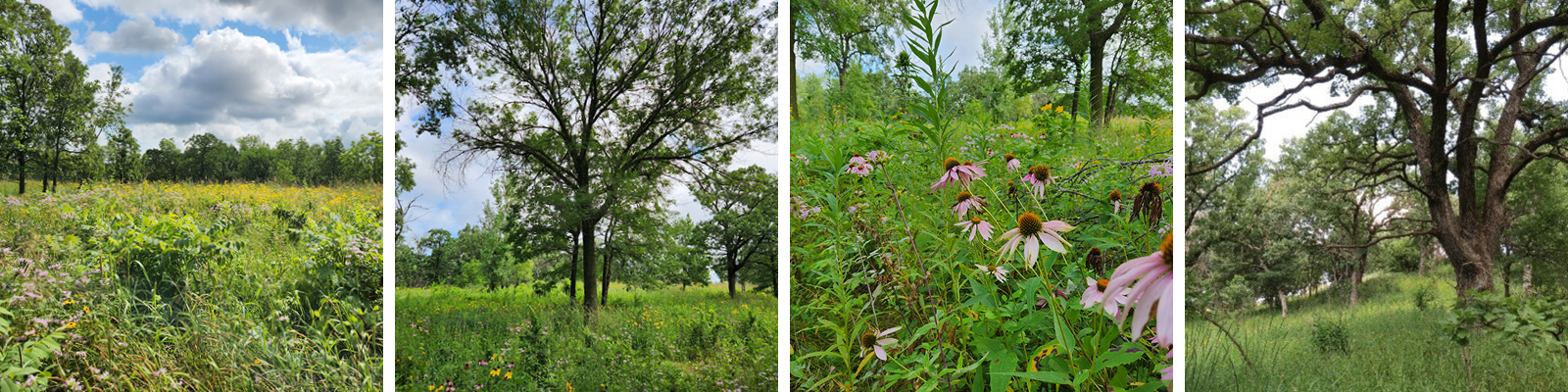
Oak savannas once covered nearly 10 percent of Minnesota's landscape, making them an iconic part of the state's natural heritage. Formed mostly where eastern hardwood forests met the western tallgrass prairie, oak savannas are a unique transitional ecosystem characterized by scattered oak trees, native grasses, and diverse wildflowers.
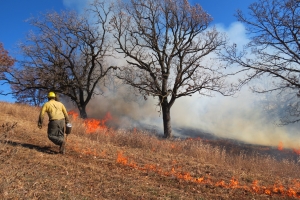
Today, oak savannas are among Minnesota's rarest and most threatened ecosystems due to agricultural conversion, urban development, and decades of fire suppression. These habitats support more than 90 Species of Greatest Conservation Need and provide breeding, nesting, and foraging habitat for pollinators, grassland birds, reptiles, and other wildlife. Representative species include the federally endangered Rusty Patched Bumble Bee, Regal Fritillary, Monarch Butterfly, Red-headed Woodpecker, and Eastern Bluebird.
Beyond their ecological value, healthy oak savannas store carbon, improve soil health, increase water infiltration, reduce erosion, support native pollinator communities, and create more climate resilient landscapes.
Program Overview
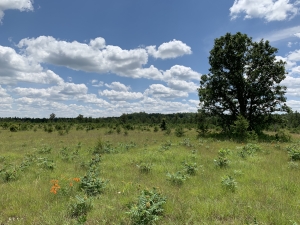
The Oak Savanna Restoration project, led by the Minnesota Board of Water and Soil Resources (BWSR) in partnership with Xerces Society, aims to restore and enhance approximately 900 acres of oak savanna within Minnesota’s Eastern Broadleaf Forest Province.
The program is supported by two appropriations passed during the 2026 legislative session: $1.7 million from the Outdoor Heritage Fund (OHF) and $1.94 million from the Environment and Natural Resources Trust Fund (ENRTF). The work is being done as part of BWSR's Living Landscapes Initiative, which promotes programs that support at-risk wildlife species, establish habitat corridors and build landscape resiliency through collaboration with conservation partners and Minnesota residents.
Eligible projects will be selected through a competitive Request for Proposals (RFP). Applications will be evaluated through a scoring and ranking process designed to identify projects that provide the greatest conservation value, strengthen habitat connectivity and deliver long-term benefits for wildlife and pollinators. Eligible applicants will include Soil and Water Conservation Districts, Counties, Municipalities, and Tribal Governments. Eligible projects are limited to those located within Minnesota's Eastern Broadleaf Forest Province.
Program Priorities
- Restore and enhance oak savannas habitats.
- Improve habitat for pollinators, birds, and other Species of Greatest Conservation Need.
- Reconnect fragmented habitats and strengthen wildlife corridors.
- Build climate-resilient landscapes through restoration of native ecosystems.
- Create demonstration sites supporting education, technical guidance, and long-term stewardship plans.
Funding Opportunity
Competitive Request for Proposals (Coming Soon)
Eligible Applicants: Soil and Water Conservation Districts, Counties, Municipalities, and Tribal Governments
Eligible Projects: Local public lands, Tribal lands and private lands protected by an easement.
Project Area: Eastern Broadleaf Forest Province