
What's Working for Conservation
Climate Mitigation Projects
2026 Information
Restoring Vegetation in Farmed Peatlands
There has been an increasing focus on restoring peatlands across Minnesota but we have also been restoring peatlands for many years as part of
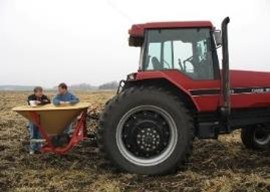
conservation programs and wetland banking. Restoring vegetation in farmed peatlands can be challenging, particularly if they have been farmed for many years and the peat is degraded. The following are four keys to successful vegetation establishment.
1) Aggressive Site Preparation – Weedy species are generally favored by high organic content soils but they are particularly common on sites with degraded peat. This includes species such as hybrid cattail, reed canary grass, Kentucky Bluegrass, non-native phragmites, and nettle. Aggressive site management with combinations of herbicide (such as Imazapyr) and tilling are often needed to prepare sites for seeding. Site preparation should be conducted over a couple seasons when invasive species are dominant.
2) Native Seedbank – It is a goal for most peatland sites to restore the hydrology to historic conditions as this will increase the chances that a native seedbank can be expressed. Seeds of native species can persist for long periods in the soil waiting for the right hydrology conditions to be restored. In some cases scraping may be beneficial if seedbank has been buried over time.
3) Diverse Seed Mixes - Higher plant diversity and a relatively high dominance of sedges can help provide competition for invasive species and increase the resiliency of wetlands. It is also helpful to have early, mid, and late successional species in mixes.
4) Long-term Care – Spot mowing and herbicide application (Imazapyr, Glyphosate, or grass specific herbicide) can help with maintaining plant diversity over time. There may also be a role for grazing in peatlands but more research is needed to guide management actions (Dan Shaw, Minnesota Board of Water and Soil Resources).
2025 Information
Drained peatlands are a significant source of carbon emissions in Minnesota as decomposing peat released carbon dioxide. To help identify
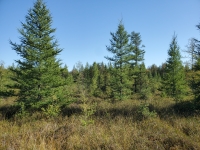
restoration opportunities, BWSR has developed a Potentially Restorable Peatlands Mapping Tool in partnership with other agencies and The Nature Conservancy.